
Ear Wax Removal & Microsuction in Finchley
If blocked ears, reduced hearing or a feeling of fullness may be caused by excess earwax, Kings Pharmacy offers private ear wax removal in Finchley at 27 Ballards Lane. The service includes an ear assessment before any removal is attempted, because symptoms that feel like “wax” can sometimes have another cause. Where wax is present and removal is appropriate, microsuction may be used to remove it under direct vision.
Earwax is normal. It helps protect the ear canal, and for many people it clears naturally without treatment. Problems arise when wax builds up enough to block the canal, interfere with hearing, cause discomfort or make it difficult to examine the ear properly. The aim of an appointment is therefore not simply to “suction every ear”, but to check what is present, decide whether removal is appropriate and explain the next step.
When can earwax cause symptoms?
A build-up of earwax can cause a blocked or muffled feeling, reduced hearing, earache or pressure, ringing or buzzing in the ear (tinnitus), and sometimes dizziness or a sensation that the ear is full. These symptoms are not specific to wax, so it is important not to assume that wax is always the explanation.
The first part of a professional ear-wax appointment should therefore be an assessment of your symptoms and ear history. The practitioner can look into the ear canal and determine whether wax is present and whether it is likely to be contributing to the problem. If the findings suggest that something else may need attention, the safer next step may be medical or hearing assessment rather than wax removal.
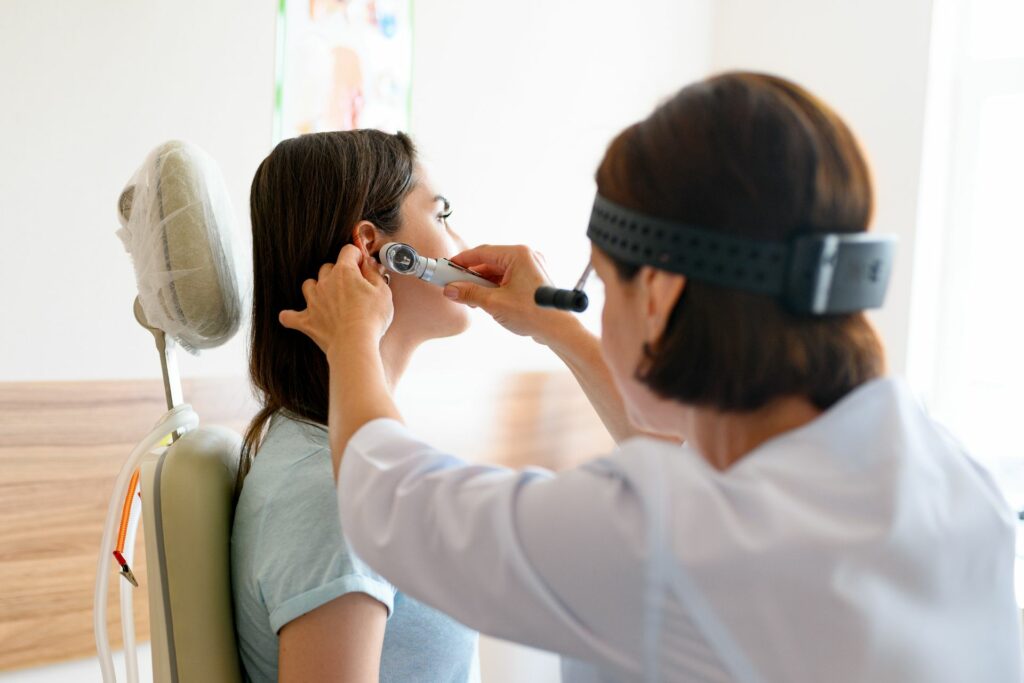
What happens during microsuction?
Microsuction is one recognised method of removing earwax. It uses a small suction tube while the practitioner views the ear canal so that wax can be removed in a controlled way. NICE guidance includes microsuction among the methods that may be used for adults when the practitioner has appropriate training and expertise, understands contraindications and has the correct equipment.
Kings Pharmacy’s current service information states that it uses TympaHealth technology for ear and hearing care. TympaHealth describes its pharmacy system as combining digital otoscopy with microsuction capability and hearing checks. On this page, that information should be understood as equipment and service context — not as a claim that every symptom can be diagnosed or treated during an ear-wax appointment.
Microsuction can be a useful option because the practitioner can see the ear canal during removal and does not need to flush the ear with water. It is still a clinical procedure rather than a guaranteed “painless” experience. Some people notice suction noise, pressure or an unusual sensation. If you feel pain, marked dizziness or significant discomfort, tell the practitioner immediately so the procedure can be paused and reassessed.
Who may be suitable for ear wax removal?
Ear-wax removal may be considered when wax is contributing to symptoms such as hearing difficulty or discomfort, or when it is preventing a clear examination of the ear. The most appropriate method depends on what the practitioner sees, your ear history and any factors that could make a particular technique unsuitable.
Before treatment, tell the practitioner if you have had ear surgery, have or may have a perforated eardrum, have grommets, have recently had discharge or an ear infection, have severe or unusual pain, have significant dizziness, have an object in the ear, or have previously experienced problems during ear-wax removal. These details do not automatically mean that microsuction can never be used; they may change whether treatment proceeds, which method is appropriate or whether referral for further assessment is the safer option.
If you use hearing aids, earplugs or in-ear devices, mention this during the assessment. These can be relevant to how wax affects you and to practical advice after the appointment.
Do I need to soften the wax before my appointment?
Some people are advised to soften earwax before removal, but the right preparation depends on your ear history and the service protocol. Follow the instructions given when you arrange the appointment rather than assuming everyone needs the same preparation.
The NHS advises that olive or almond oil can be used for uncomplicated earwax build-up, but almond oil should not be used if you are allergic to almonds. The NHS also advises not to use eardrops if you have a perforated eardrum. If you are unsure whether drops are suitable for you, ask a pharmacist or another appropriate healthcare professional before using them.
Do not try to dig wax out with cotton buds, fingers, hairpins or other objects. This can push wax further into the ear and may injure the ear canal or eardrum. Ear candles and home ear-vacuum devices are also not supported by NHS evidence for removing wax.
What if the wax cannot be removed at the first visit?
Not every ear can or should be completely cleared in one session. Very firm or deeply positioned wax, discomfort, the condition of the ear canal, or information from your medical and ear history may mean that removal is stopped, delayed or approached differently. You may be advised to soften the wax and return, or to seek another appropriate service if the ear needs medical or specialist assessment.
The important point is that the procedure should be guided by what is safe and appropriate for the ear being examined, rather than by a promise that every blockage will be cleared immediately.
After ear wax removal
After the appointment, follow the practitioner’s advice for your ears. Avoid putting cotton buds or other objects into the ear canal. If your hearing or blocked sensation improves after the wax is removed, that is reassuring, but improvement should not be treated as a guarantee or as proof that there is no underlying hearing problem.
If symptoms continue after the wax has been removed — for example, your hearing remains reduced, tinnitus persists, pain continues or the ear still feels blocked — arrange further assessment. Persistent symptoms may have a cause that ear-wax removal cannot address.
When should ear symptoms be assessed urgently?
Earwax can cause uncomfortable symptoms, but some hearing changes should not wait for a routine wax-removal appointment. NHS guidance advises urgent GP help or NHS 111 for sudden hearing loss in one or both ears, hearing that has been getting worse over a few days or weeks, or hearing loss together with symptoms such as earache or discharge from the ear.
If you feel generally unwell, have significant swelling around the ear, fluid or blood coming from the ear, severe dizziness, or another symptom that concerns you, seek appropriate medical advice rather than assuming it is only wax. If you are unsure where to start, NHS 111 can advise on the right level of care.
Private ear wax removal fees
Ear wax removal at Kings Pharmacy is a private service. The current service page does not provide a verified fee that can safely be reproduced here, so please confirm the current price when you book. Fees, appointment availability and the exact booking process can change; checking before travelling avoids relying on outdated information.
How to book ear wax removal in Finchley
Kings Pharmacy is at 27 Ballards Lane, Finchley, London N3 1XP. For the current ear-wax booking route, use the connected service page or call the pharmacy on 020 8346 9764. The connected service currently directs patients to book by phone, so please confirm the appointment time, preparation instructions and current fee before attending.
A booking request does not guarantee that microsuction will be suitable for you. The practitioner will first assess your ears and decide whether removal can be carried out safely and appropriately.
Frequently asked questions
Does microsuction hurt?
Microsuction is often well tolerated, but it is not accurate to promise that it will be painless for everyone. You may notice suction noise or an unusual sensation. Tell the practitioner immediately if you feel pain, marked dizziness or significant discomfort so the procedure can be paused and reassessed.
Do I need to soften wax first?
You may be advised to soften the wax before your appointment, but preparation depends on your ear history and the service protocol. Follow the instructions you are given. If you know you have a perforated eardrum, do not use ear drops unless an appropriate healthcare professional has advised that they are suitable for you.
Who should not have microsuction?
Microsuction is not automatically suitable for every person or every ear problem. Tell the practitioner about previous ear surgery, a known or suspected perforated eardrum, grommets, recent discharge or infection, severe pain, significant dizziness, a foreign body or previous problems with ear-wax removal. These details can change whether treatment proceeds, which method is appropriate or whether medical or specialist assessment is safer.
What if symptoms are not caused by wax?
Blocked hearing, ear pain, tinnitus and dizziness can have causes other than earwax. If the examination does not show wax that explains your symptoms, or if the practitioner sees something that needs further assessment, you may be advised to contact your GP, NHS 111, an audiology service or an ear, nose and throat service as appropriate.
Book or ask a question
If you are looking for ear wax removal in Finchley, contact Kings Pharmacy or check the connected ear-wax service route for the current booking method. Please confirm current pricing and any preparation instructions before your appointment.
| Disclaimer: Medical information on this page is for general guidance and does not replace an individual clinical assessment. Ear symptoms can have different causes. Seek urgent medical help for sudden or rapidly worsening hearing loss, or hearing loss with earache or discharge, in line with NHS guidance. |
